
If you are studying biology or reading about cells, you may have seen the word mitochondria. It is one of the most important parts of a cell, but many people are unsure what it actually means.
This guide explains the mitochondria meaning, its function, structure, and why it is essential for life in simple and clear language.
Quick Answer
Mitochondria are small structures inside cells that produce energy for the body.
They convert nutrients from food into a usable form of energy called ATP (adenosine triphosphate), which powers most cellular activities.
Because of this role, mitochondria are often called “the powerhouse of the cell.”
What Does Mitochondria Mean?
The word mitochondria refers to tiny organelles found in most eukaryotic cells, including human, animal, and plant cells.
Each mitochondrion acts like a mini power plant, producing energy needed for important processes such as:
- Cell growth
- Movement
- Repair
- Cell division
Without mitochondria, cells would not have enough energy to survive.
Why Are Mitochondria Called the Powerhouse of the Cell?
Mitochondria are called the powerhouse of the cell because they generate most of the energy cells need.
They do this through a process known as cellular respiration, where nutrients such as glucose are converted into energy.
Energy Production Process
- Cells take in nutrients from food.
- Mitochondria break down these nutrients.
- Energy is produced in the form of ATP molecules.
- ATP powers many cellular functions.
This energy is essential for activities like:
- Muscle movement
- Brain function
- Growth and repair of tissues
Structure of Mitochondria
Mitochondria have a unique structure that helps them produce energy efficiently.
Main Parts of a Mitochondrion
| Part | Function |
| Outer membrane | Protects the mitochondrion |
| Inner membrane | Contains proteins that produce energy |
| Cristae | Folded structures that increase surface area |
| Matrix | Contains enzymes used in energy production |
The cristae folds increase the surface area, allowing more energy to be produced.
Where Are Mitochondria Found?
Mitochondria are present in most eukaryotic cells, including:
- Human cells
- Animal cells
- Plant cells
- Fungal cells
Cells that require more energy often contain more mitochondria.
Examples
- Muscle cells have many mitochondria because they need energy for movement.
- Brain cells also contain many mitochondria due to high energy demand.
Mitochondria Simple Definition
Mitochondria are tiny organelles found inside the cells of most plants, animals, and other living organisms. Their main job is to produce energy in the form of ATP (Adenosine Triphosphate), which cells use to carry out essential activities.
In simple words, mitochondria are the cell’s power stations that generate the energy needed for life.
Mitochondria Definition and Function
Mitochondria are membrane-bound organelles responsible for cellular respiration and energy production. They break down glucose and other nutrients to create ATP, the primary energy currency of cells.
The main functions of mitochondria include:
- Producing cellular energy (ATP)
- Supporting metabolism
- Regulating cell growth
- Helping with cell signaling
- Controlling programmed cell death
Without mitochondria, cells would not have enough energy to perform their tasks efficiently.
Mitochondria Example
Human muscle cells are a great example of cells that contain a large number of mitochondria. Since muscles require a significant amount of energy for movement, they need more mitochondria to meet their energy demands.
Other examples include:
- Heart cells
- Liver cells
- Brain cells
- Plant cells
These cells rely heavily on mitochondria for continuous energy production.
Mitochondria Structure
Mitochondria have a unique structure that helps them produce energy efficiently. They consist of several important parts:
Outer Membrane
The smooth outer layer that surrounds the mitochondrion and protects its contents.
Inner Membrane
A folded membrane containing proteins involved in ATP production. The folds are called cristae.
Cristae
These folds increase the surface area available for energy-producing reactions.
Matrix
The fluid-filled interior where important biochemical reactions take place.
Mitochondrial DNA
Mitochondria contain their own DNA, allowing them to reproduce independently within the cell.
Mitochondria Diagram
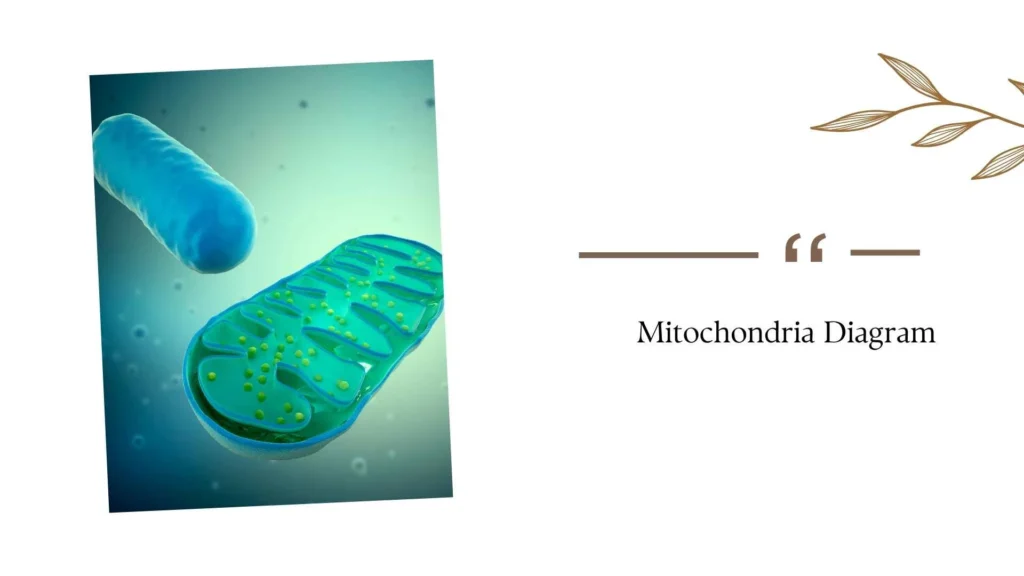
A typical mitochondrion diagram includes the following labeled parts:
- Outer membrane
- Inner membrane
- Cristae
- Matrix
- Mitochondrial DNA
- Ribosomes
When studying biology, diagrams help visualize how these structures work together to generate energy for the cell.
10 Functions of Mitochondria
Mitochondria perform many essential functions, including:
- Producing ATP through cellular respiration
- Breaking down glucose for energy
- Regulating cellular metabolism
- Storing calcium ions
- Supporting cell growth
- Controlling cell death (apoptosis)
- Generating heat in some cells
- Assisting in protein synthesis
- Managing oxidative stress
- Supporting communication between cellular structures
These functions are critical for maintaining healthy and active cells.
5 Functions of Mitochondria
The five most important functions of mitochondria are:
- Energy production
- Cellular respiration
- Calcium storage
- Regulation of cell death
- Metabolic support
Together, these functions help cells remain healthy and productive.
Why Is Mitochondria Important?
Mitochondria are important because they provide the energy necessary for life. Every movement, thought, heartbeat, and biological process depends on ATP produced by mitochondria.
Their importance includes:
- Powering cellular activities
- Supporting organ function
- Maintaining metabolism
- Promoting healthy cell growth
- Helping cells respond to stress
When mitochondria do not function properly, various health problems and mitochondrial diseases can occur.
Main Functions of Mitochondria
Mitochondria do more than just produce energy. They play several important roles in cells.
1. Energy Production
Their primary function is generating ATP energy.
2. Regulating Cell Death
Mitochondria help control apoptosis, the process of programmed cell death.
3. Supporting Metabolism
They help break down nutrients such as fats and carbohydrates.
4. Heat Production
Mitochondria can generate heat to help regulate body temperature.
Interesting Facts About Mitochondria
Here are some fascinating facts about mitochondria.
- Each cell may contain hundreds or even thousands of mitochondria.
- Mitochondria have their own DNA.
- Scientists believe mitochondria were once independent bacteria that became part of cells.
- Most energy used by the human body is produced in mitochondria.
These unique features make mitochondria different from most other organelles.
Why Mitochondria Are Important for the Human Body
Mitochondria are essential for maintaining healthy body functions.
They provide energy for:
- Muscle contractions
- Brain activity
- Organ function
- Immune system response
When mitochondria do not work properly, it can lead to mitochondrial diseases, which affect energy production in the body.
Difference Between Mitochondria and Other Cell Organelles
Cells contain several organelles, each with a specific job.
| Organelle | Function |
| Nucleus | Controls cell activities |
| Ribosomes | Produce proteins |
| Endoplasmic reticulum | Transports materials |
| Mitochondria | Produce energy |
Among these, mitochondria are unique because they generate energy for all other cellular processes.
Frequently Asked Questions
What is the simple meaning of mitochondria?
Mitochondria are organelles inside cells that produce energy needed for cell activities.
Why are mitochondria important?
They generate ATP energy, which powers most biological processes in the body.
Do all cells have mitochondria?
Most eukaryotic cells have mitochondria, but some specialized cells may contain fewer.
Why do mitochondria have their own DNA?
Scientists believe mitochondria evolved from ancient bacteria that formed a symbiotic relationship with early cells.
Conclusion
The mitochondria meaning is simple: they are tiny structures inside cells that produce the energy needed for life. By converting nutrients into ATP, mitochondria power nearly every activity in the body, from muscle movement to brain function.
Because they generate most of the cell’s energy, mitochondria are rightly known as the powerhouse of the cell. Understanding their role helps explain how cells work and why energy production is essential for healthy biological systems.

Evelyn Parker
Hi, I’m Evelyn Parker! Ever since I was a kid, I’ve been fascinated by the hidden meanings behind words and stories. I love exploring how language shapes our thoughts and connects people across cultures. Writing has always been my way of making sense of the world and sharing insights that spark curiosity. When I’m not writing, you’ll find me lost in a good book, sipping coffee, or jotting down ideas that might one day turn into my next story. I believe every word has a story to tell, and I hope my work helps readers discover them too.
Books by Evelyn Parker:
-
Whispers of Meaning
-
The Language of Life